When War with Iran Is No Longer a Washington Consensus
When War with Iran Is No Longer a Washington Consensus
Foreign Policy in Focus (juancole.com › foreign policy in focus)
Timothy Hopper (fpif.org › timothy hopper)
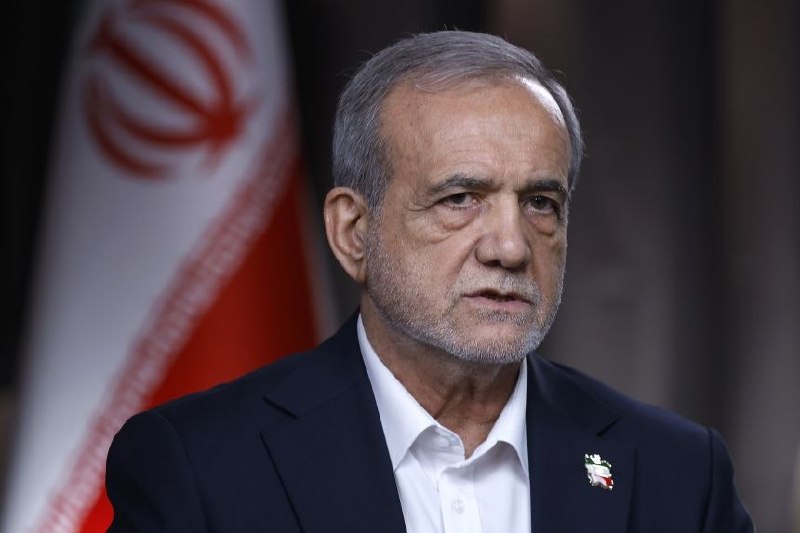
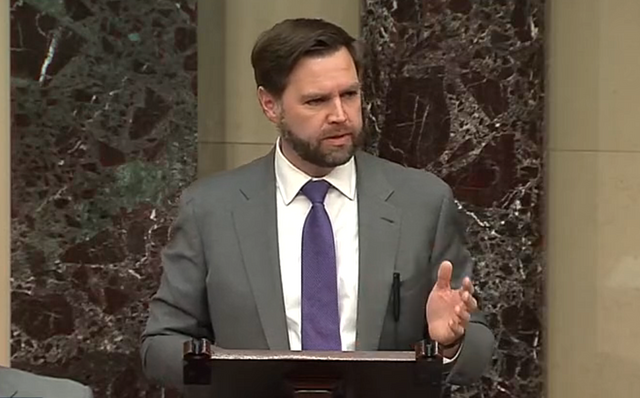
( Foreign Policy in Focus (fpif.org)) Amid renewed escalation between the United States and Iran, an unusually visible dispute has emerged within the U.S. government over the aims and limits of the confrontation. Recent remarks by Vice President J.D. Vance moved that divide from the margins to the center of Washington’s foreign-policy debate when he warned (reuters.com) that some figures within the Israeli government had tried to influence American public opinion and prevent an agreement capable of ending the war.
His position raises a fundamental question: Is war with Iran serving the American national interest, or is Washington bearing the costs of objectives pursued by other actors?
U.S. policy toward Iran can no longer be understood solely through the confrontation between Tehran and Washington. In previous years, disagreements largely concerned how pressure should be applied. More fundamental questions are now entering American decision-making. Should the United States bear the costs of a broad confrontation? Does maximum pressure without a clear political horizon enhance American security. Is the country being drawn into a prolonged and unmanageable crisis?
This disagreement no longer appears only among traditional critics of war or at the edges of the two parties. It is now visible within the governing coalition itself. In contrast to much recent rhetoric, Vance has argued that Washington’s foreign policy must be defined by American national interests rather than other actors’ priorities. That challenges a long-standing taboo: the assumption that distinguishing Washington’s interests from those of Tel Aviv is politically costly, if not impossible.
These remarks cannot be reduced to electoral competition or routine partisan disagreement. Behind them is a reassessment shaped by two decades of costly wars, recurring Middle Eastern crises, and domestic economic and political pressure. U.S. policymakers are now grappling with the reality that costs outweigh gains in a large-scale confrontation with Iran and that the conflict is harder to exit that it was to begin.
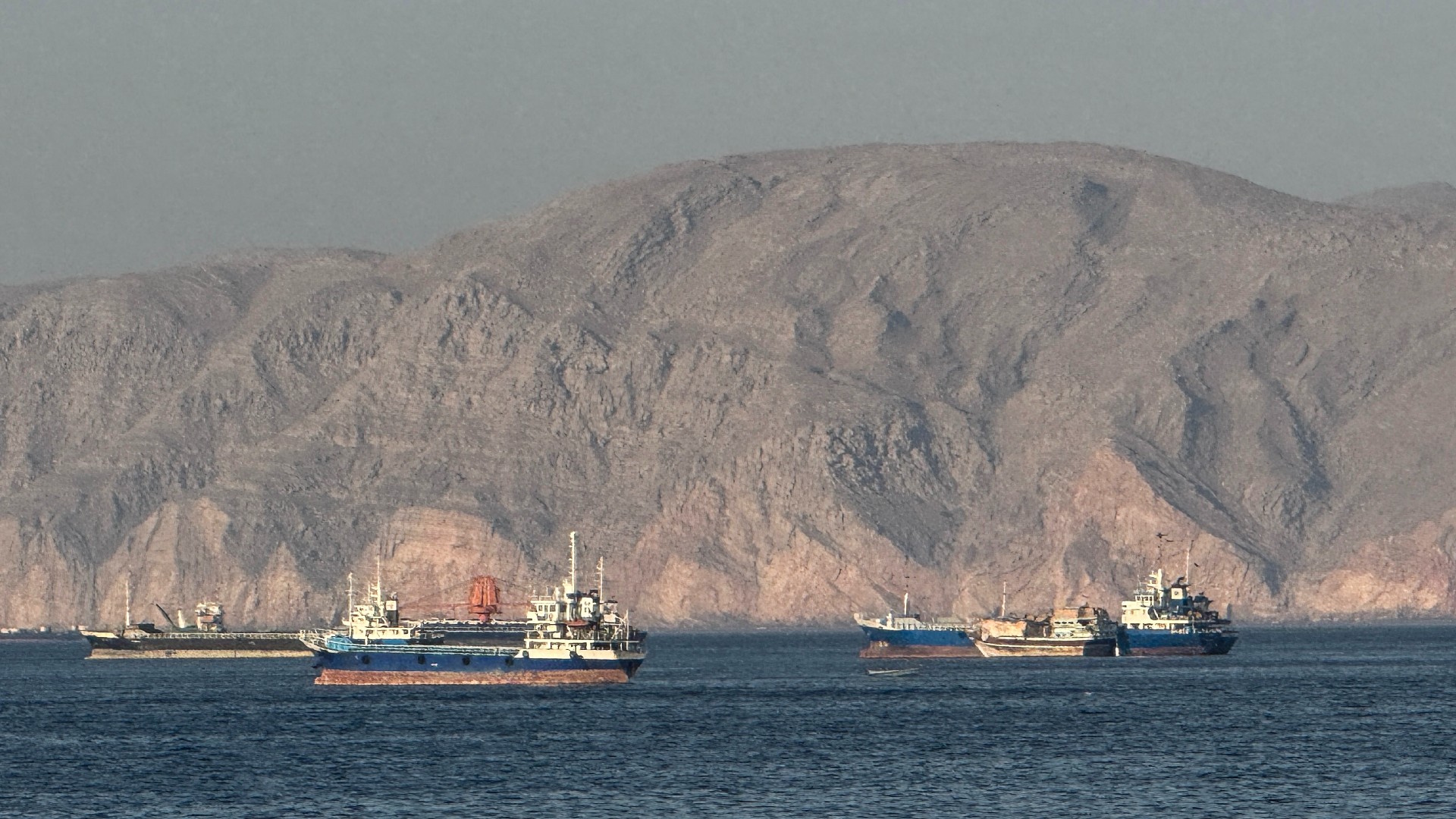
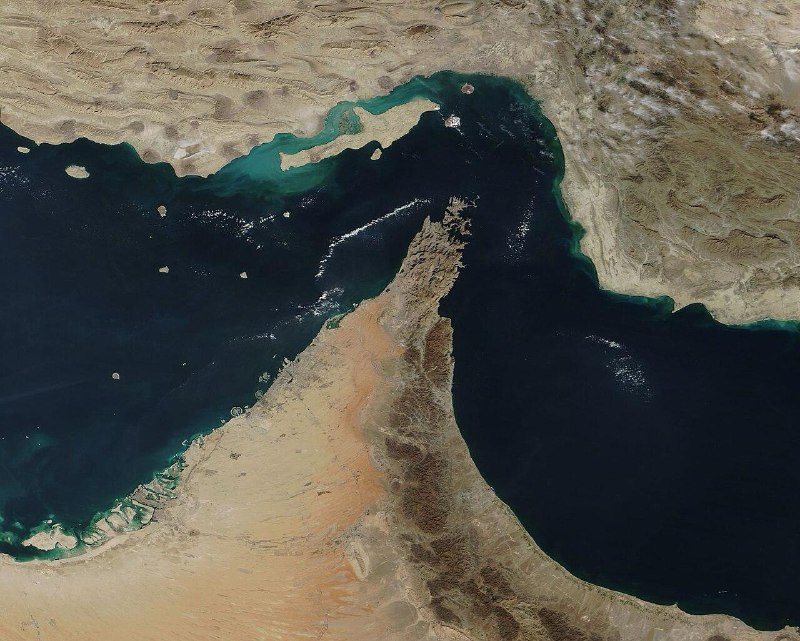
From this perspective, Vance’s insistence (wsls.com) that diplomacy is the only sustainable answer to crises such as security in the Strait of Hormuz is more than a defense of negotiation. It acknowledges the limits of military power in resolving complex regional problems. Pressure, in this view, should not be an end in itself, but an instrument of crisis management and bargaining leverage. The logic of “pressure for war” is increasingly competing with “pressure for agreement,” even if an agreement would still be pursued from a position of strength.
Within the same framework, another shift is the gradual retreat from rhetoric centered on regime change in Iran. The conflicts in Iraq, Afghanistan, and Libya showed that overthrowing governments does not necessarily create stability and that the security, economic, and political costs for the United States can exceed expected benefits. Some policymakers and strategic elites now view regime change not as a solution but as a source of new crises. Opposition to an unlimited war follows the same logic: managing the crisis, controlling escalation, and preventing the conflict from expanding.
Iran can impose costs across multiple domains, from energy security and international shipping to the U.S. military presence, global oil markets, and networks aligned with Tehran. The sharp decline (http
Part of an ongoing event
Iran Crisis