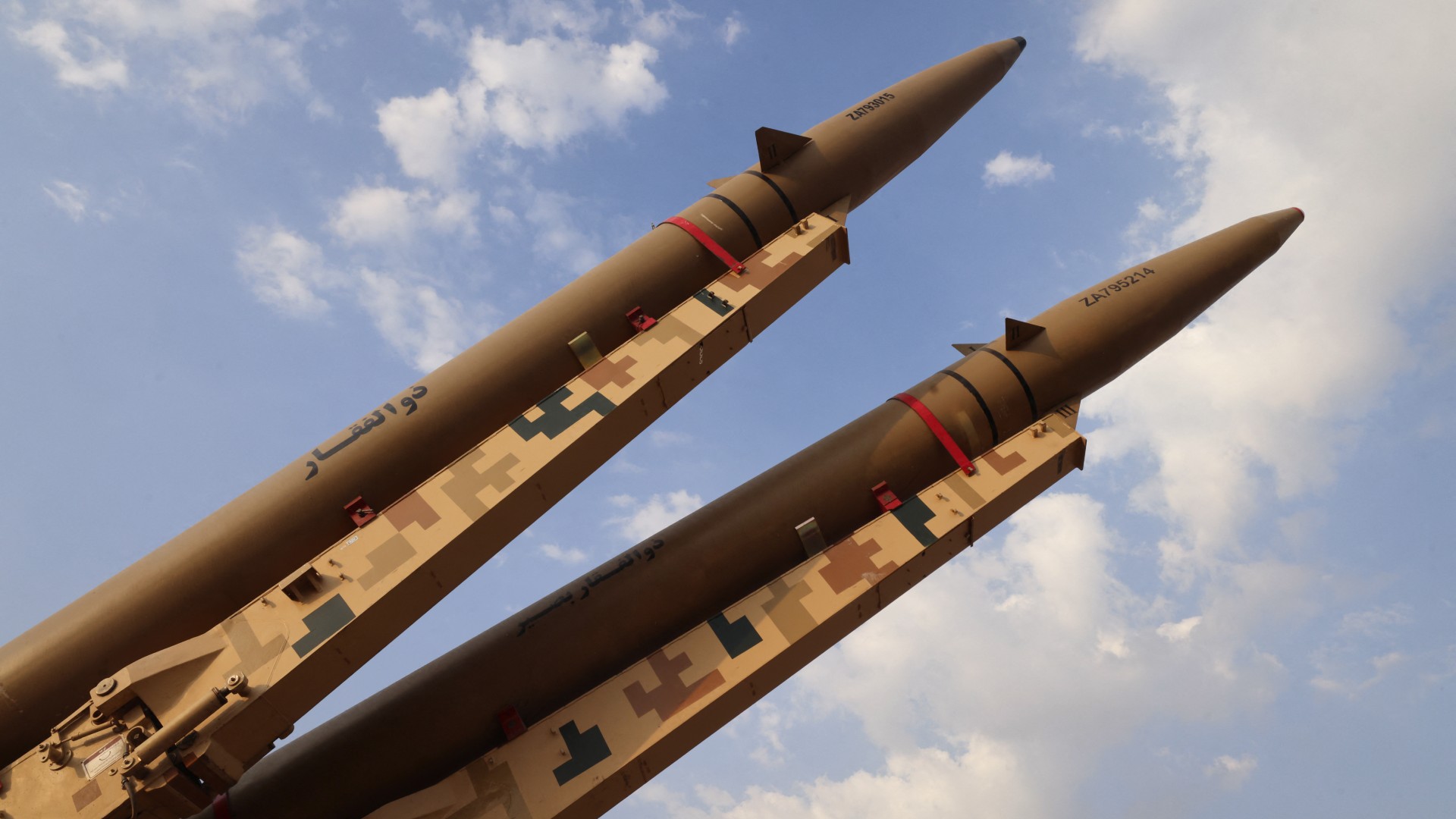
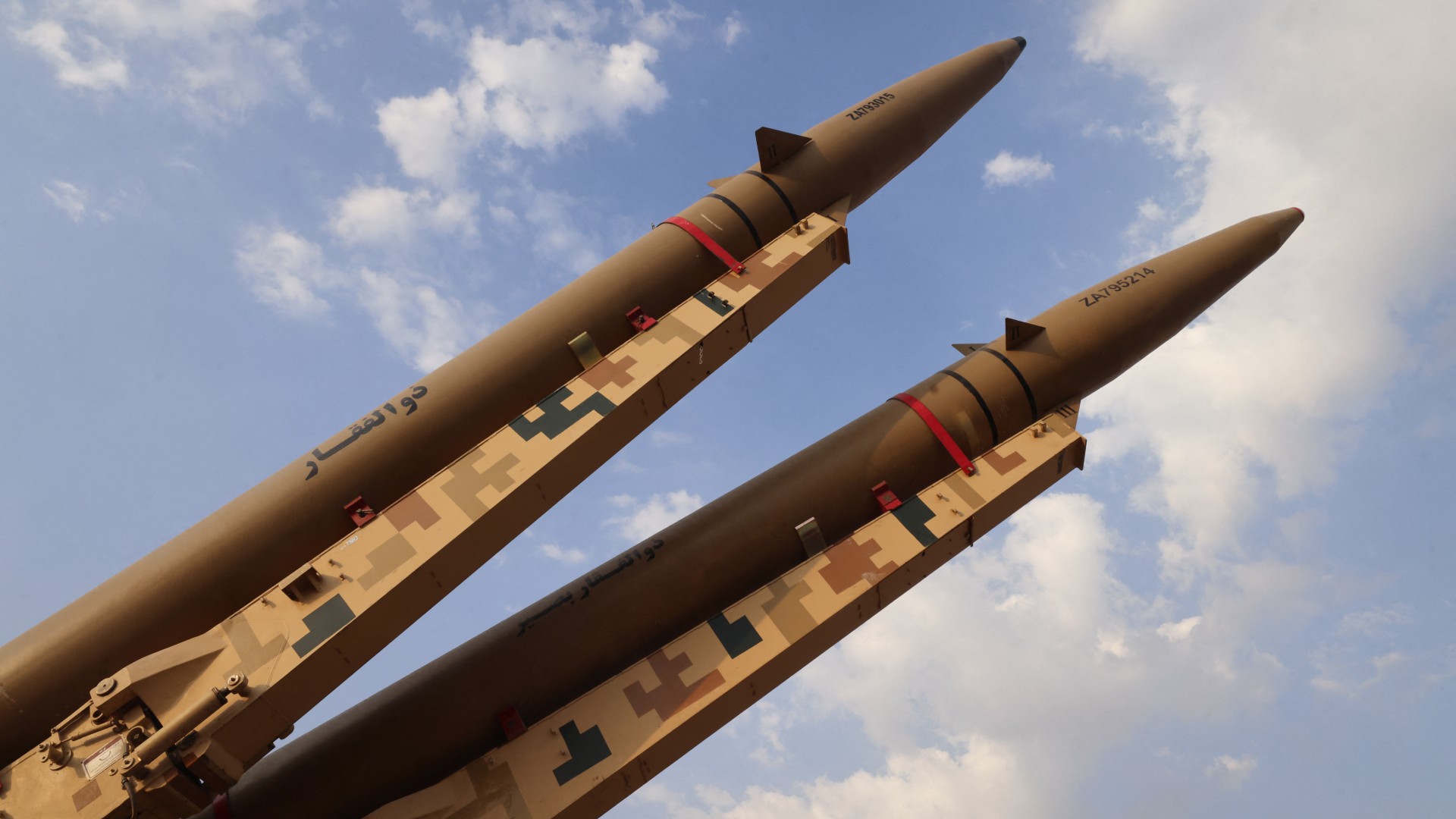
The Hormuz Energy Crisis becomes the Red Sea Crisis (Juan Cole and Ian Masters)
The Hormuz Energy Crisis becomes the Red Sea Crisis (Juan Cole and Ian Masters)
Juan Cole (juancole.com › jcedit) Informed Comment
My interview with Ian Masters (soundcloud.com › bbriefing 2026 07 30full 4) is at his Background Briefing (backgroundbriefing.org)
Background Briefing with Ian Masters (soundcloud.com › user 830442635) · July 30, 2026 – Juan Cole | Larry Tye | Clay Risen (soundcloud.com › bbriefing 2026 07 30full 4)
Background Briefing with Ian Masters (soundcloud.com › user 830442635) · July 30, 2026 – Juan Cole | Larry Tye | Clay Risen (soundcloud.com › bbriefing 2026 07 30full 4)
Transcript (produced by VoiceMe app and cleaned up with Anthropic’s Claude as well as my own eye):
# Background Briefing — Interview with Juan Cole
**IAN MASTERS:** And joining us now is Professor Juan Cole, Professor of Middle Eastern and South Asian history at the University of Michigan. His latest articles in Informed Comment (juancole.com) include “New War on Saudi Refineries by Iran Allies” and “Houthis Aim for Red Sea Tolls, May Have Hit Ship in Egypt.” Welcome to Background Briefing, Juan Cole.
**JUAN COLE:** Thank you, Ian.
**IAN MASTERS:** So, Juan, it looks as if the Houthis have really angered Muhammad bin Salman, and we know that he has a temper. After all, he ordered the beheading and dismemberment of a critic in Turkey. And now he has bombed the main Houthi port of Hodeidah. Apparently he’s sending the military in on a ground offensive. He’s furious at Iran, which, through its proxies in Iraq, struck Abqaiq, which is the main big Saudi oil refinery. So it looks as though — and then, of course, this American ship has been struck in a Mediterranean port in Egypt, an LNG ship. So it’s pretty clear that this Trump-Netanyahu war on Iran is poised to break out into a wider catastrophe, because once both sides go after each other’s oil facilities, then it’s a catastrophe for the world and the global economy. So how much on the brink are we, Juan?
**JUAN COLE:** The situation with regard to diesel and gasoline is dire. The way we’ve gotten through this crisis so far is that the United States, China, and Europe have drawn down their strategic reserves, both state reserves and reserves held by private companies. But you can only do that for so long, and we are now at historic lows in those reserves. And because of the resumption of hostilities, the Strait of Hormuz is still basically closed. And now the Houthis — the Helpers of God militia, which controls 80% of the Yemeni population — I think have decided to take advantage of the straits, so to speak, in which the Saudis find themselves, to put more pressure on the Saudi government by closing the Red Sea routes for Saudi petroleum, which can’t go out of the Strait of Hormuz anymore but can go through the Bab-el-Mandeb from the Red Sea into the Indian Ocean.
**IAN MASTERS:** Right. Otherwise known as the Gates of Grief. But, as you pointed out in your article “Houthis’ Aim for Red Sea Tolls May Have Hit Ship in Egypt,” last time around, when the Houthis tried to close the straits and went after various ships, shipping companies paid about $180 million a month in protection money. My understanding is that the Saudis were paying protection money to the Houthis. And they broke that deal, and I assume they broke that deal because the Iranians more or less told them to. I’ve talked to a lot of analysts on Yemen over the years, and many have said, “Oh, the Houthis aren’t really that connected to Iran. They don’t take orders from Tehran.” But it sure looks like they do.
**JUAN COLE:** I think “taking orders” is too strong. They’re allies, and they see common interests. But, as I said, I think the Saudis are in a difficult position right now, because most of their exports of petroleum, on which their economy completely depends — I mean, like
Part of an ongoing event
Israel-Hamas Conflict