Houthis v. Saudi Arabia: Round 2. This time it's regional.
Houthis v. Saudi Arabia: Round 2. This time it's regional.
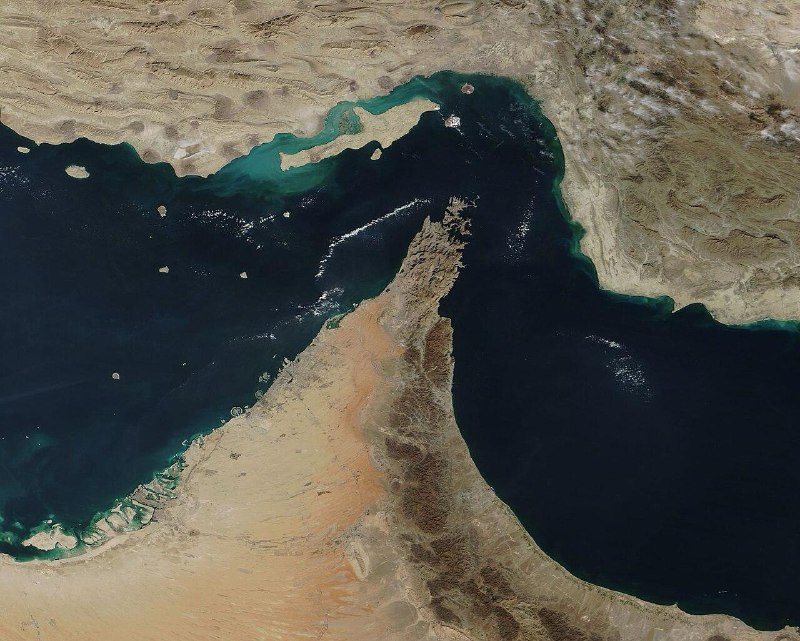
On July 28, Saudi air defenses shot down drones launched from Iraqi territory by “Iran-affiliated terrorist militias,” a Saudi ministry of defense statement (x.com) read.The attacks targeted oil facilities in the Eastern Province and at the capital, Riyadh, itself. Days earlier, Houthi forces in Yemen said (thehill.com) they had hit “sensitive” oil transport sites linking the Eastern Province to the Red Sea export hub of Yanbu. Satellite images showed (bloomberg.com) smoke over the kingdom's most important oil infrastructure.Both attacks come amid a wider escalation that began with the Houthis’ declared naval blockade of Saudi ports, followed by strikes (aljazeera.com) on several ships and an exchange of missile fire with the kingdom. The Houthis say they will lift the blockade only once Saudi Arabia ends what they call (al-akhbar.com) a “blockade” on Yemen; they also have separate financial demands, chiefly, a demand (crisisgroup.org › catching back channel peace talks yemen) for public-sector salaries and a share of the revenue from Yemen oil industry, which is located in territory held by the internationally recognized, Saudi-backed government of Yemen.Saudi Arabia is now being squeezed from three directions in the widening U.S.-Iran war — Iraq to its northeast, Yemen to its southwest, and Iran to its east. (On July 18, Tehran struck Prince Sultan Air Base near Riyadh, its first (ft.com › e8e8adc5 7c56 45a8 99fc bb5acfda263e) direct hit on Saudi soil in nearly four months.)To understand why this matters beyond the price of oil, it helps to picture the crises as a set of nesting dolls.The innermost doll is Yemen’s own civil war: a decade-old fight between the Houthis (officially known as Ansar Allah), who rule the populous north from Sana’a, and Yemen’s internationally recognized government, formally led by a body called the Presidential Leadership Council. The roots of this war trace to the 2011 Arab Spring revolution, which toppled Yemen’s long-serving president and left a power vacuum the Houthis moved to fill, seizing Sana’a in 2014. Saudi Arabia and a coalition of partners intervened in 2015 with the explicit aim of reversing that takeover and restoring the internationally recognized government, and the war has continued in one form or another ever since.The middle doll is Saudi Arabia’s broader rivalry with Iran, a contest for regional leadership that has run since Iran’s 1979 Islamic Revolution, when Tehran’s new theocratic government began exporting a revolutionary, Shia-inflected challenge to the Gulf’s Sunni monarchies.Since the Houthis’ seizure of Sana’a in September 2014, Iran has absorbed (cfr.org › irans support houthis what know) the group into what it calls its “axis of resistance,” supplying it with weapons, funding and technical know-how, turning Yemen into an arena of proxy war between Tehran and Riyadh.The outer doll is the American-Iranian war itself, now in its sixth month, which has all but closed the Strait of Hormuz and pushed oil prices to record highs. This conflict set the other two into motion.Since March 2022, an unofficial truce kept Yemen’s civil war, the Houthi-Saudi war, and the Saudi-Iranian rivalry in Yemen quiet even as the outer dolls rattl
Part of an ongoing event
Iran Crisis