Aiming at the Gulf, Iran shoots itself in the foot

Aiming at the Gulf, Iran shoots itself in the foot
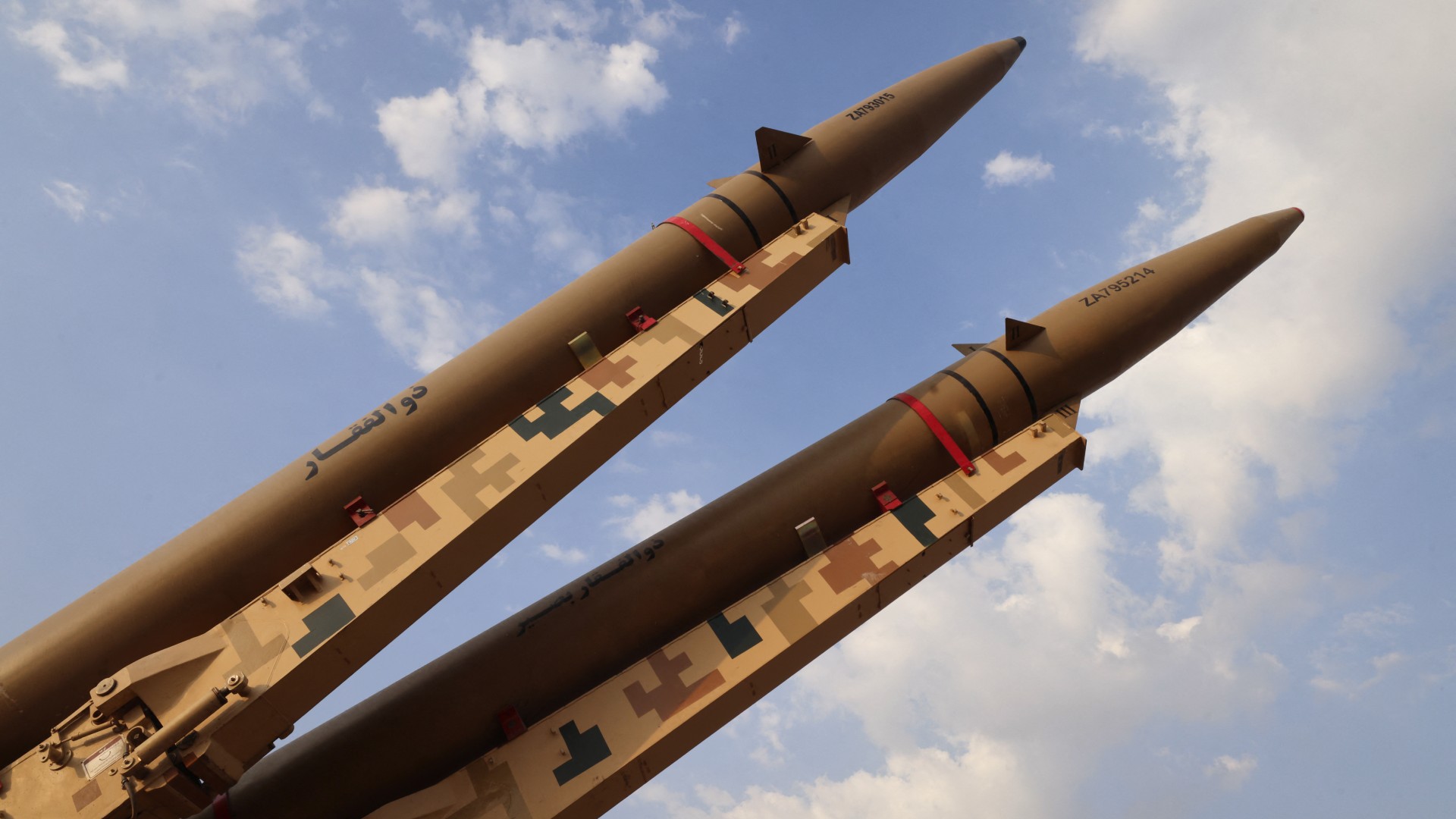
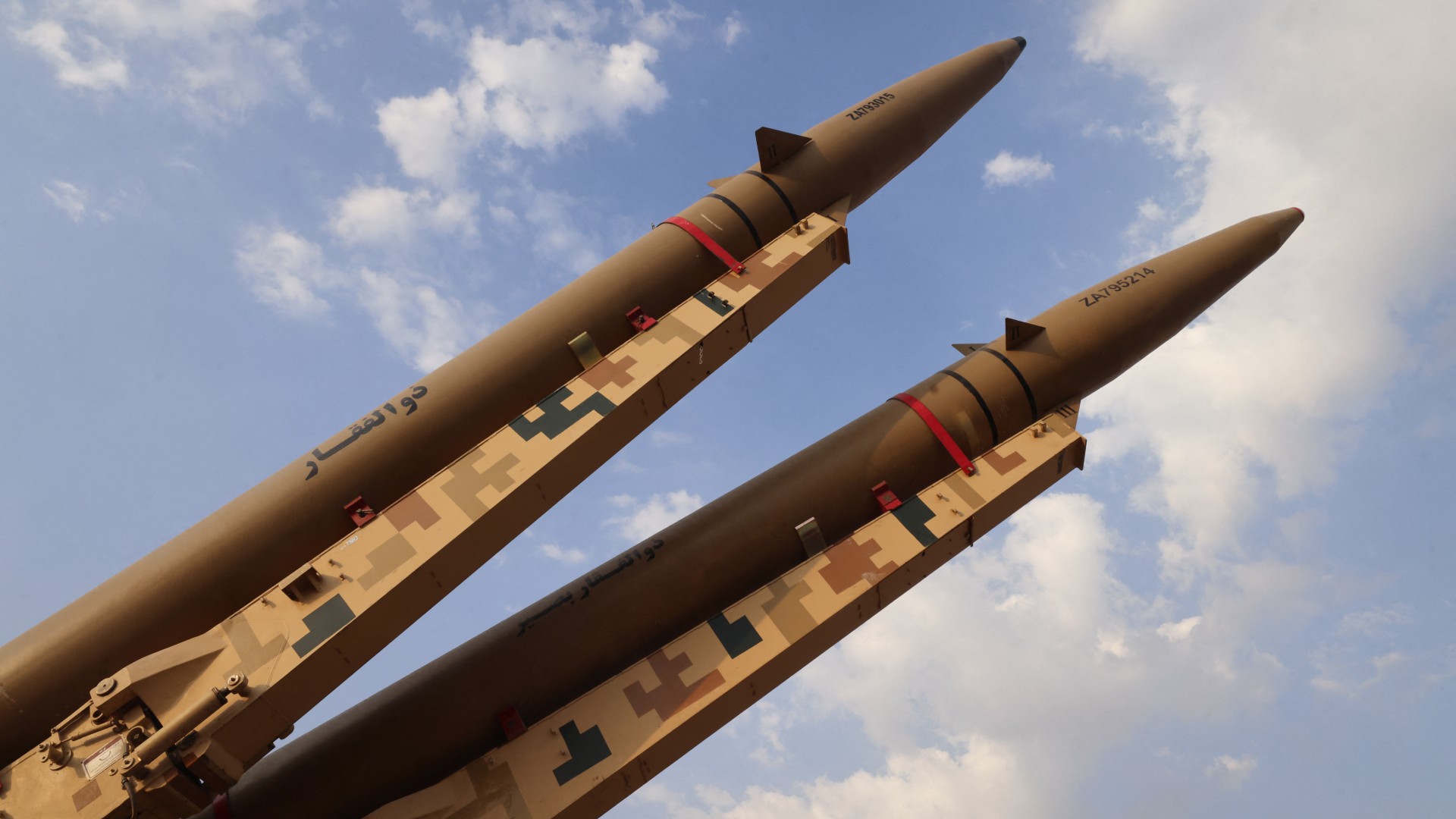
For decades, Iran has sought to diminish (en.majalla.com › how iran sees new middle east) America’s military presence and political influence in the Middle East. Yet some ambitions carry within them the seeds of their own undoing. The very policies intended to push out the United States have instead strengthened the rationale for Washington’s continued engagement.Before the erosion of its regional axis, Iran based its security doctrine on forward defense, projecting influence beyond its borders to keep threats at bay. However, what Tehran regarded as a defensive strategy (press.princeton.edu › irans grand strategy), the Persian Gulf states perceived as an expansionist bid for regional primacy. As a result, they deepened their security ties with Washington, making the U.S. military presence more indispensable to Gulf security rather than less.Iran’s current approach suggests that it is repeating the same strategic mistake, both in its confrontation with the United States and in its vision for the regional order that will follow.Iran’s strategy of targeting Gulf states, which Tehran views as facilitating U.S. military operations, appears intended to demonstrate that the American presence is a liability (arabcenterdc.org) rather than an asset. The objective is to persuade Gulf leaders that hosting U.S. bases brings greater insecurity and that accommodation with Iran is a safer alternative. Yet, given the history of Iranian coercion and the prevailing lack of trust, these states are more likely to conclude that accommodating Iran would invite further pressure rather than reduce it, much as Iran itself has come to believe that restraint toward the United States invites further attacks.Iran appears to overlook one of the most enduring patterns in international politics. States facing rising security threats rarely respond by distancing themselves from their security partners. More often, they reinforce existing alliances. The United Arab Emirates moved toward the Abraham Accords (washingtoninstitute.org) amid growing concerns about Iranian regional influence and again sought Israel’s help (wsj.com) during Iranian attacks this year. Likewise, despite being attacked by multiple actors during the recent regional conflict, Qatar neither distanced itself from the United States nor moved closer to Iran. Instead, it sought stronger (reuters.com) American security guarantees.At the same time, Iran seeks to convey that the United States can no longer protect its regional partners. Through its relatively successful targeted attacks across the Gulf, Tehran aims to show that the U.S. security umbrella can be penetrated (iiss.org › mapping the damage iranian strikes on the gcc). Yet this strategy also overlooks the Gulf’s limited strategic alternatives. Although some Gulf states have expanded their engagement with China, Beijing currently lacks (carnegieendowment.org) both the capability and the intent to provide security guarantees comparable to those of the United States. Nor are Gulf states likely to seek protection from a country that is itself threatening them. Consequently, rather than diminishing America’s relevance, Iranian coercion has made Washington appear increasingly indispensable (foreignpolicy.com › iran trump israel gu
Part of an ongoing event
Israel-Hamas Conflict