The West's plan to pressure Putin has a glaring flaw
The West's plan to pressure Putin has a glaring flaw
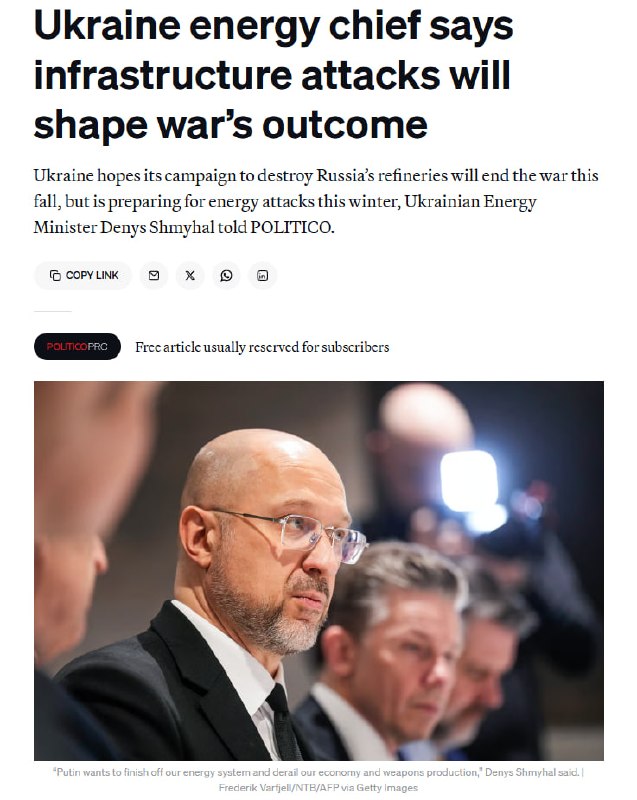
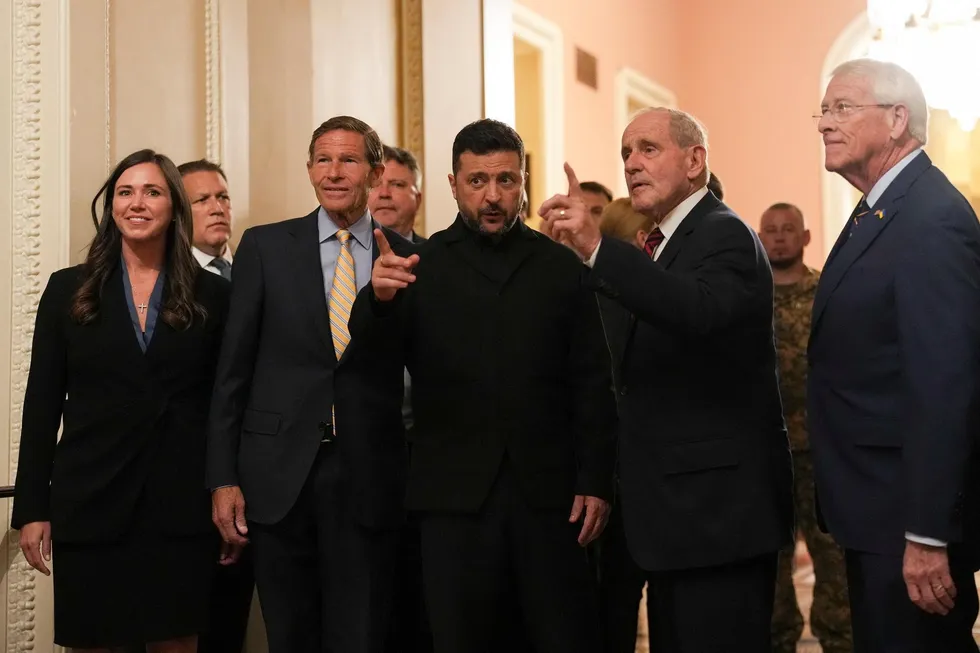
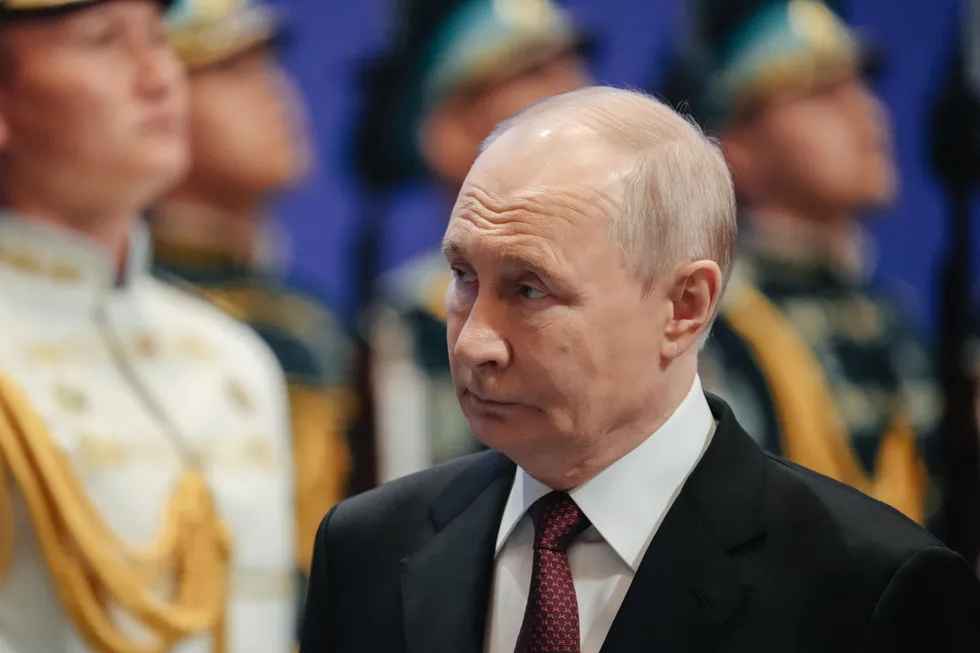
Ukraine's 40-day deep-strike campaign – launched by President Volodymyr Zelensky to "push the aggressor toward ending the war (kyivpost.com)" – is now at its height.In Western policymaking circles, the destruction of Russian infrastructure, the rise of fuel shortages, and the resultant public dissatisfaction lead many to conclude Russia is on the ropes. The strategy of expanding Ukraine's deep strike capacities enjoys the support not only of major European NATO states but also of the White House, as recent comments (wsj.com › ukraine russia war trump zelensky d4e32b59) from President Donald Trump and Secretary of State Marco Rubio make clear.The Western pressure strategy rests on a simple calculation: raising the costs of continued fighting will increase discontent in Russian society to the point of forcing the Kremlin to the negotiating table via a ceasefire. For most Russians, who interpret the war as a struggle to secure concrete geopolitical goals, this calculation holds true; mounting costs erode support for war.Missing from this picture, however, is a vocal and intense minority who see the war in moral terms, as a zero-sum struggle over sacred values. For them, intensified air strikes only fuel demands for retaliation and escalation rather than compromise.The pressure trap building inside Russia is related to the Kremlin’s “limited war” model, an approach that satisfies neither camp. The first because of the spiraling costs, the second because limits frustrate hopes of victory. Each major strike on the Russian homeland only makes it harder for Putin to hold the ground between them.The instrumental majority and the moral minority
Since 2022, the Kremlin has sought to reduce wartime friction and manage a delicate domestic equilibrium, in part by branding the conflict a "special military operation" and delaying mobilization. Throughout the course of the war, the West and Ukraine have worked to destabilize this domestic equilibrium. The new deep-strike campaign represents the latest and most direct attempt.On the surface, the strategy appears to be working. President Vladimir Putin’s falling approval ratings (themoscowtimes.com), coupled with rising popular support for negotiations (levada.ru), encourage renewed predictions of Russia's imminent exhaustion. Some Western observers argue a turning point (foreignaffairs.com › ukraine war turns tide) is at hand. Such survey data, however, is only a rough indicator of changing opinions and attitudes. To grasp how the war’s costs translate into political pressure at home, we must factor in the contrasting instrumental and moral interpretations of the war across Russian society.These two ways of understanding the war are distributed unevenly across Russian society. Survey data (github.com › Глава 15) from the independent pollster Chronicles suggests one-third of Russians view the war's aims instrumentally, as preventing NATO expansion or defending sovereignty (29.8%), while another third holds no clear view (31.4%). For both, mounting costs tend to raise support for negotiations: every strike on Russian soil and every fuel-price rise feeds doubt about whether the war is worth its price.The minority, roughly one-quarter of respondents, frames the war morally in terms of restoring historical justice, defeating "Nazism," or defending Russian civilization. Our analysis of pro-war Telegram channels (khamatdinova.com › analytics) shows that, as costs mount, demands for harsher reprisals incr
Part of an ongoing event
Russia-Ukraine War