How Morocco's Gaza deployment is reshaping its ties with Israel
How Morocco's Gaza deployment is reshaping its ties with Israel
Caroline Dupuy
Rabat frames joining stabilisation force as humanitarian mission, but activists decry move as 'complicity in post-war occupation'
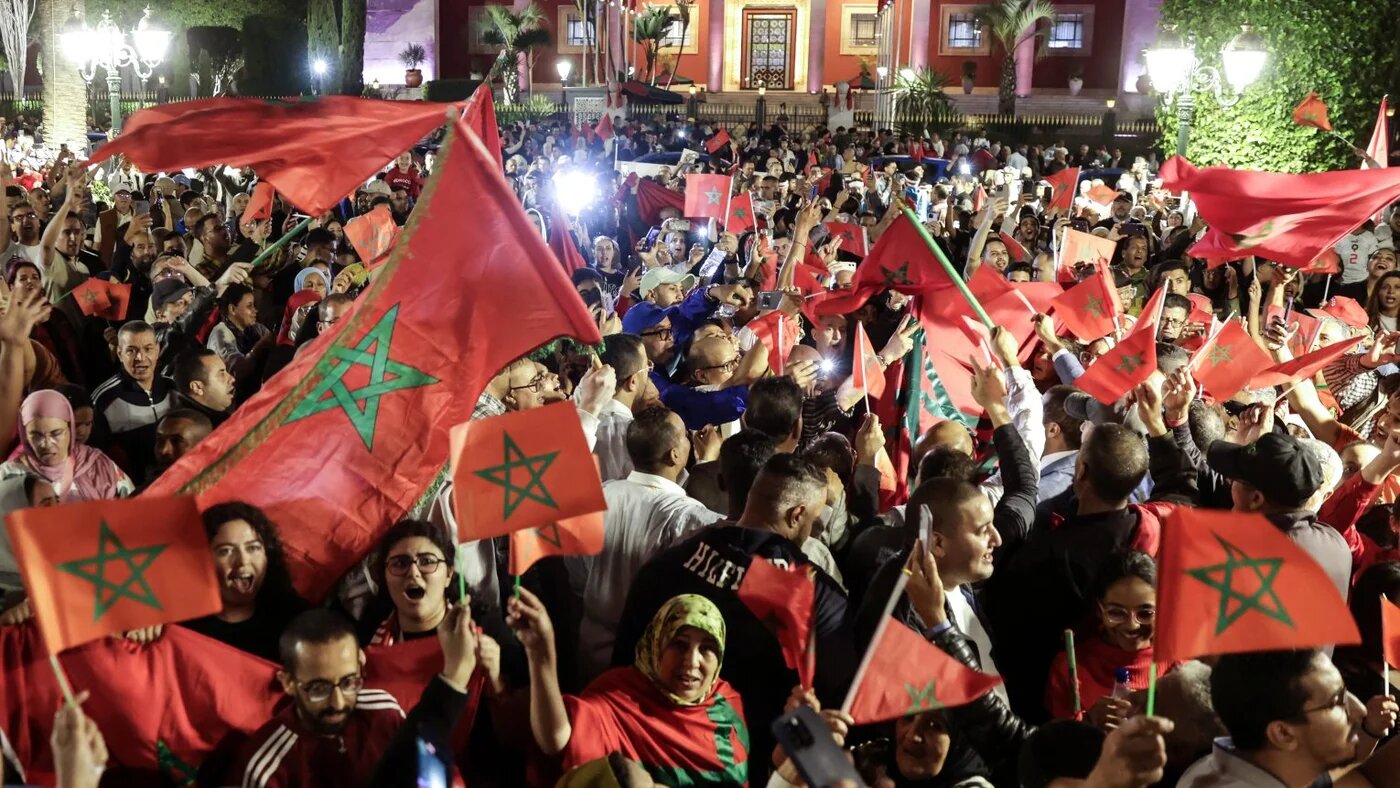
Moroccans celebrate the UN Security Council's backing of Morocco's autonomy plan for Western Sahara in Rabat, 31 October 2025 (Abdel Majid Bziouat/AFP)
In July, Morocco became the first Arab and African nation to deploy its military to the International Stabilisation Force (ISF) in Palestine under Donald Trump’s "peace plan" for Gaza, bolstered by his equally dubious Board of Peace (BoP).
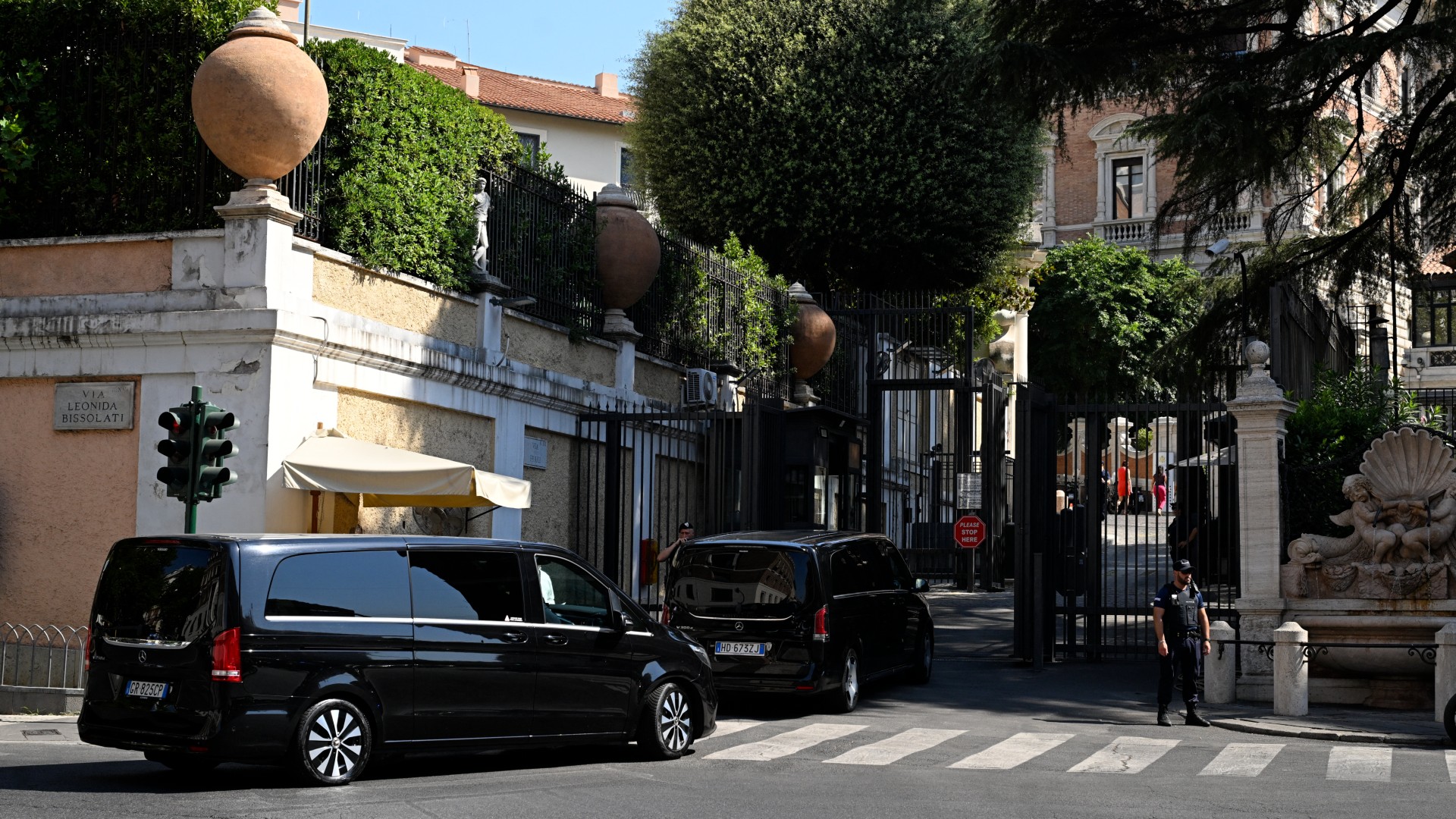
Morocco signed an agreement in Rabat on 15 July to formalise its participation in the ISF.
The signing ceremony took place in the presence of Moroccan Foreign Minister Nasser Bourita; Nickolay Mladenov, director general of the BoP; senior defence officials and ISF commander Jasper Jeffers.
Morocco’s participation follows instructions from King Mohammed VI, Supreme Commander and Chief of General Staff of the Royal Armed Forces and chairman of the Al-Quds Committee.
The ISF was originally planned to deploy 500 Moroccan military officials to a refugee camp in the southern city of Rafah. The figure has now been reducedto just 200 Moroccan soldiers, Al Jazeera reported. The force is expected to work in collaboration with the Israeli military.
Since Morocco signed the agreement, Hamas has announcedits conditional disarmament proposal in keeping with Trump’s Gaza plan.
However, Israel has disregarded its side of the agreement and showsno sign of withdrawing from Palestine and the territories in which it continues to occupy illegally.
Instead of giving a withdrawal timeframe, Israeli far-right Finance Minister Bezalel Smotrich proposedto extend its illegal settlements into the Gaza Strip.
According to an official statementby Morocco’s National Defence Administration, Morocco's contribution “demonstrates its commitment to peace, international cooperation, and regional stability”.
The move also aligns with Morocco’s role as a founding memberof the BoP, the statement says.
Explaining the benefits for Rabat, international relations professor Said Saddiki, at Sidi Mohamed Ben Abdellah University in Fez, noted that joining the force “provides Morocco with an opportunity to regain a more visible diplomatic role in the Palestinian issue, complementing its longstanding role through the Al-Quds Committee and the Bayt Mal Al-Quds Agency”.
Humanitarian narrative
While other sources such as the Council on Foreign Relations also indicate the aim is for the ISF to serve as the primary security force in Gaza, replacing the Israeli military, Morocco has leaned heavily on the narrative that it will help establish a field hospital in Gaza under the ISF mission.
The field hospital is “nothing more than a narrative,” according to Saadia*, a key member of Boycott, Divestm
Part of an ongoing event
Israel-Hamas Conflict