Violence in Mali risks destabilizing the Sahel
Violence in Mali risks destabilizing the Sahel
Mauritania, once considered a counterterrorism success story, sits at the edge of escalating violence. In the last year, Jamaat Nusrat al Islam wal Muslimin (JNIM), al-Qaeda’s affiliate in the Sahel, has expanded its operational presence in towns and villages along Mauritania’s southeastern border. But, according to locals, the most immediate threat to the country’s stability comes from its neighbor, Mali.On April 25, coordinated attacks (apnews.com) rocked Mali, exposing the limits of state control there. Terrorists and separatist rebels targeted multiple cities, including the capital, assassinating the defense minister and prompting Malian forces and Russian Africa Corps paramilitary forces to withdraw from key northern bases. Then, on July 4, rebels launched (apnews.com) a second, smaller offensive, targeting central and northern cities, demonstrating their resolve and operational sophistication. As the situation spirals, the United States is weighing airstrikes against JNIM militants, according (washingtonpost.com) to the Washington Post.The conflict in Mali is no longer contained within its borders. Refugee flows, cross-border military operations, and deteriorating relations between Bamako and Nouakchott are putting new pressures on Mauritania, particularly in vulnerable border regions. Left unchecked, these tensions could erode the security gains that Mauritania has maintained for more than a decade.Mauritania’s fragile stability
Mauritania is distinguished by its relative stability in a volatile region; the country has not experienced a terrorist attack in nearly 15 years.
The official narrative is that Nouakchott combined (issafrica.org) military operations with programs that promote moderation, including some that invited imams to preach tolerance to imprisoned terrorists. The country has “deconstructed extremist discourse,” said a former minister during an interview this spring. Others claim Mauritania reached an understanding with al-Qaeda affiliates, citing (rfi.fr) documents seized during the raid that killed Osama Bin Laden.
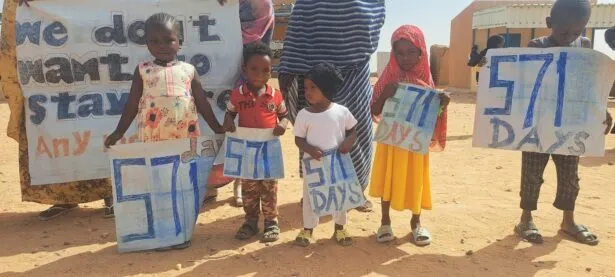
As security improved in Mauritania, its neighbor, Mali, became embroiled in a series of crises. In 2012, advancing Tuareg rebels seemed poised to collapse the state, prompting France to deploy (bbc.com › world africa 20991719) its forces to halt the offensive. Confronted by intense military pressure, some rebel factions began collaborating with al-Qaeda-affiliated groups, ultimately giving rise to an indigenous, and increasingly entrenched, terrorist presence. As of February, more than 300,000 refugees (data.unhcr.org) from Mali had fled to Mauritania, straining the state’s resources.
The situation along the border is complicated, to say the least. Mauritanians are concerned about the influx of Malian refugees, who some local officials estimate arrive in the east at a rate of “hundreds per day” during an interview with the author this spring. Malians, on the other hand, are suspicious of Mauritania, which they accuse of serving as a rear base for terrorists after Nouakchott reportedly sealed (rfi.fr) a non-aggression pact with regional al-Qaeda affiliates.
At the same time, strong transborder ties connect the two countries. Border communities have familial and financial relations in both countries. Commercial routes run alon
Part of an ongoing event
Sahel Instability